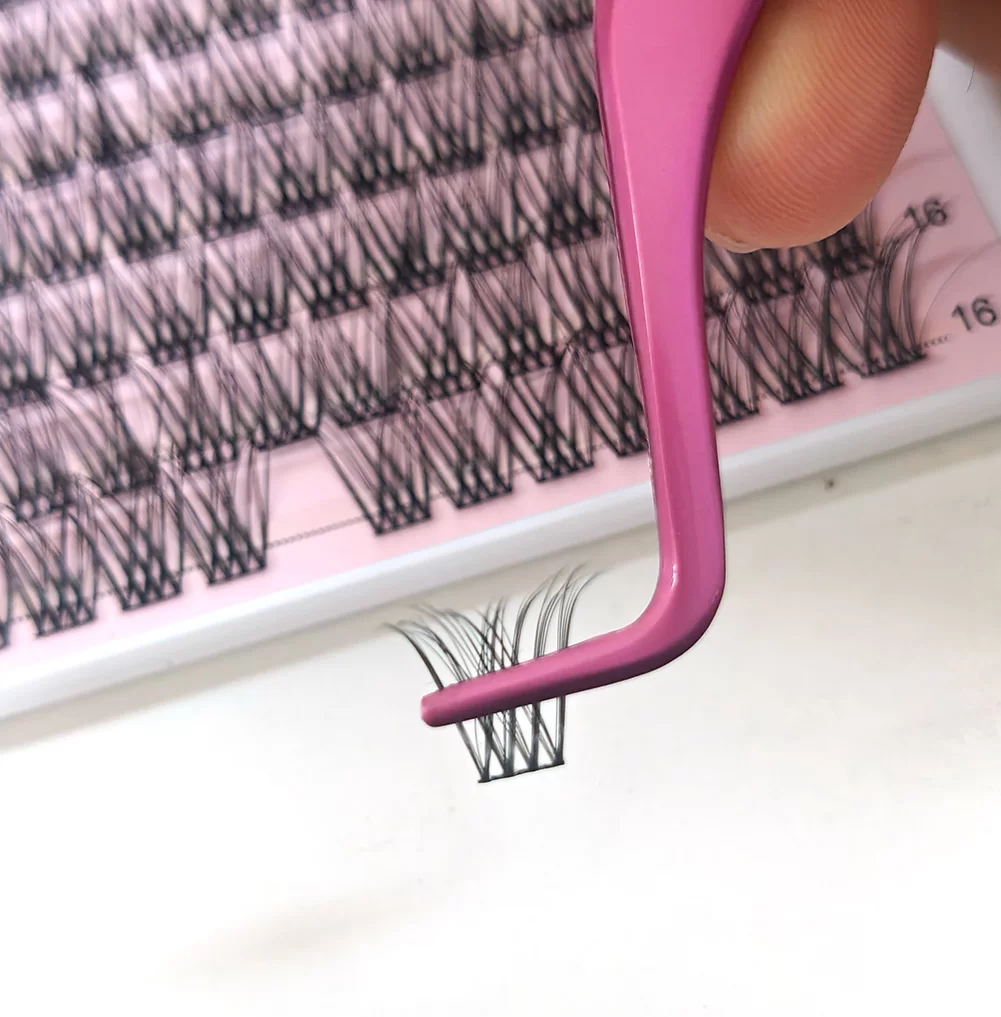
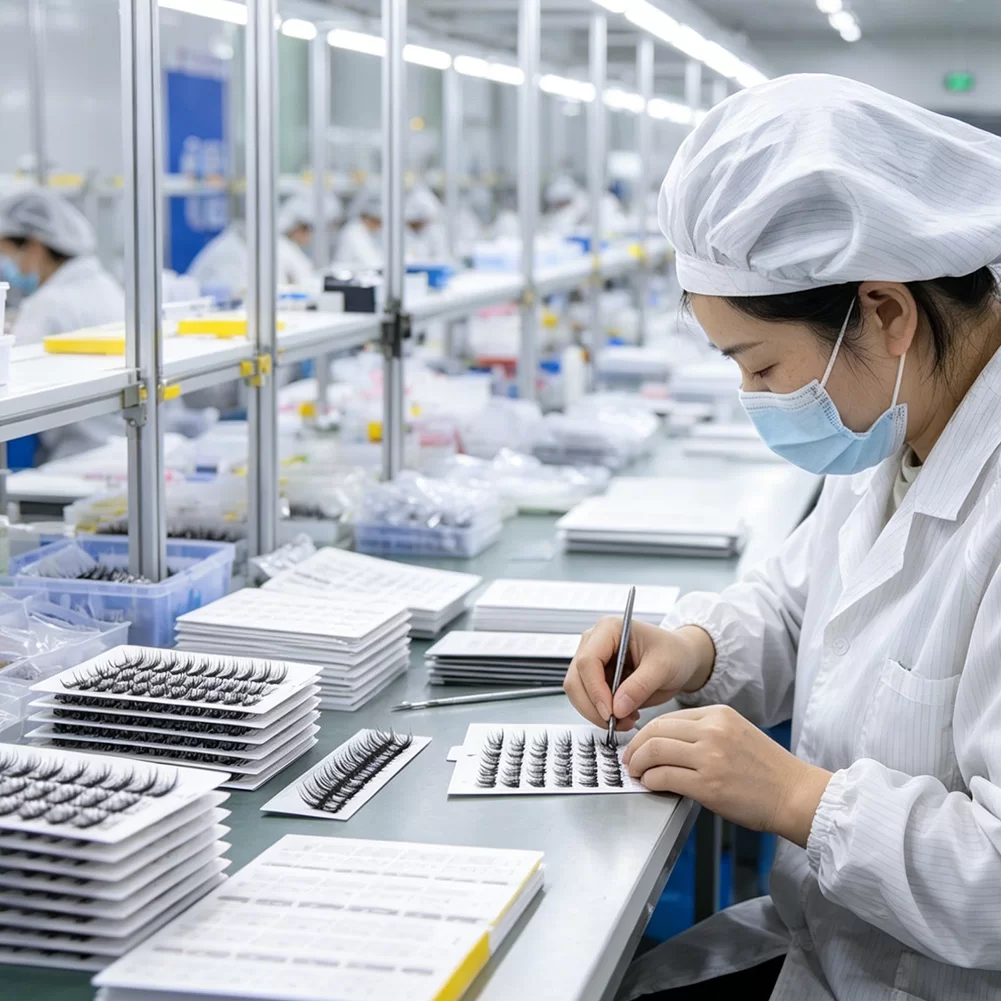
Once an order is placed, we immediately arrange production for the lashes. Although we’re constantly trying to reduce mistakes, unexpected issues can still happen during the process. So what exactly can delay delivery?
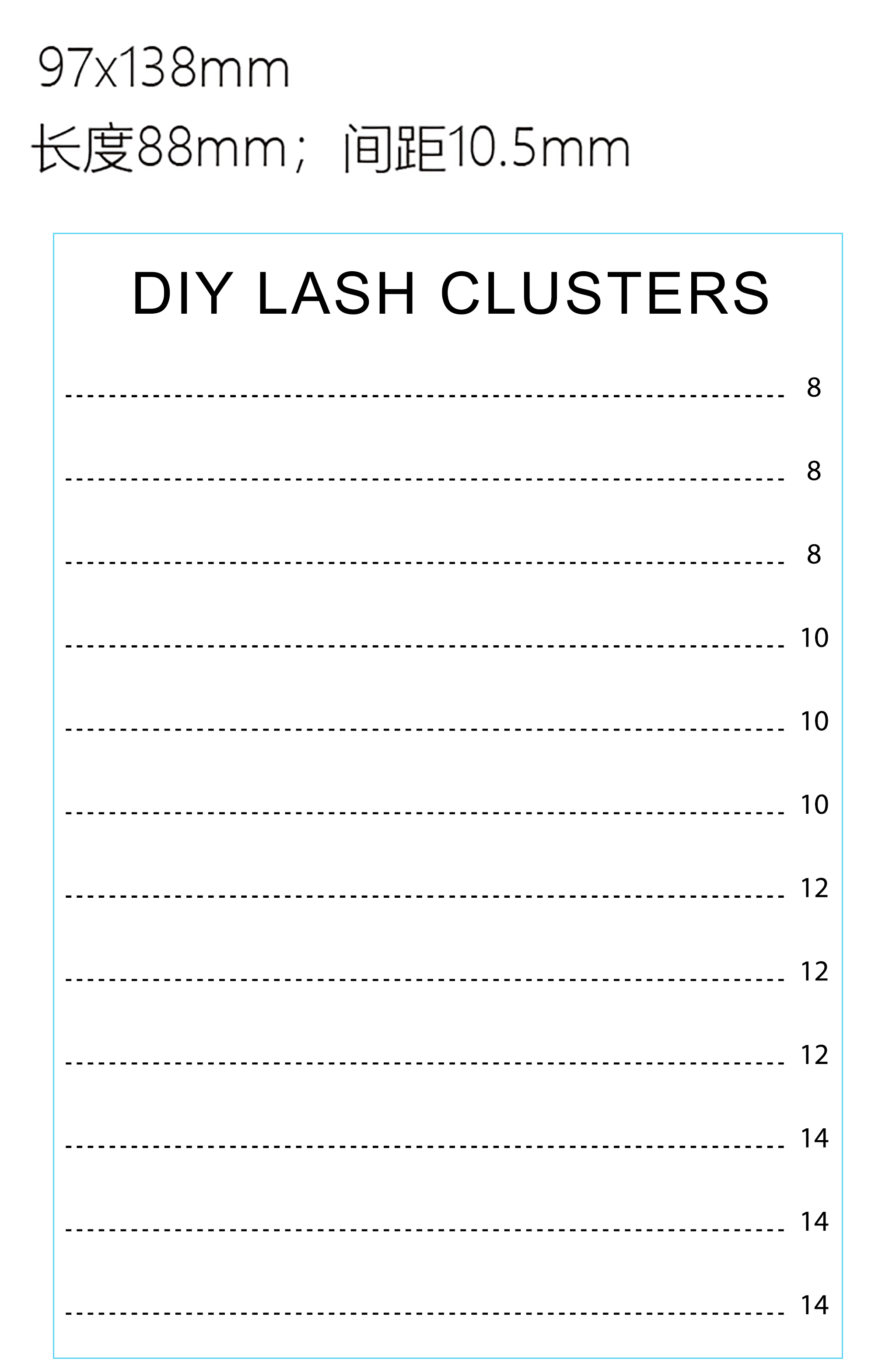
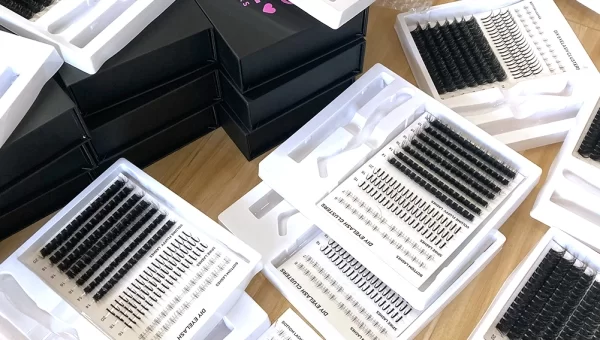
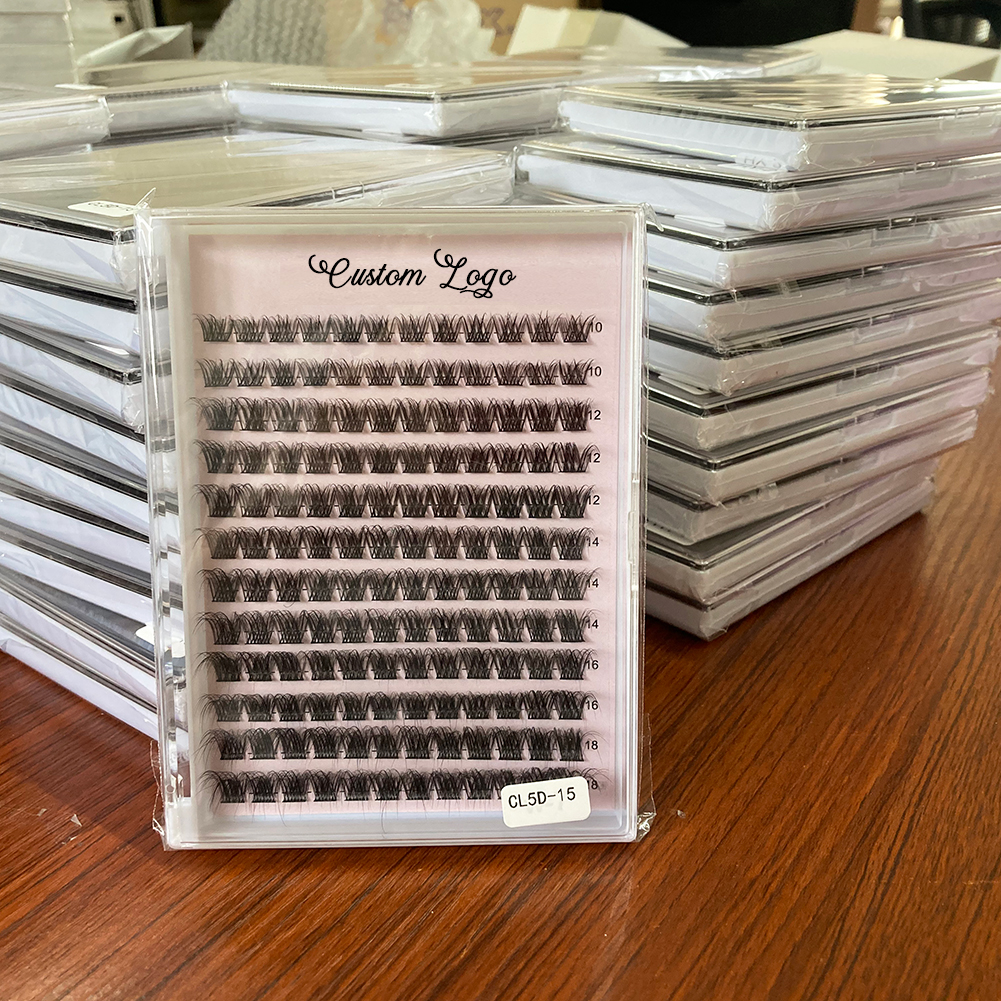
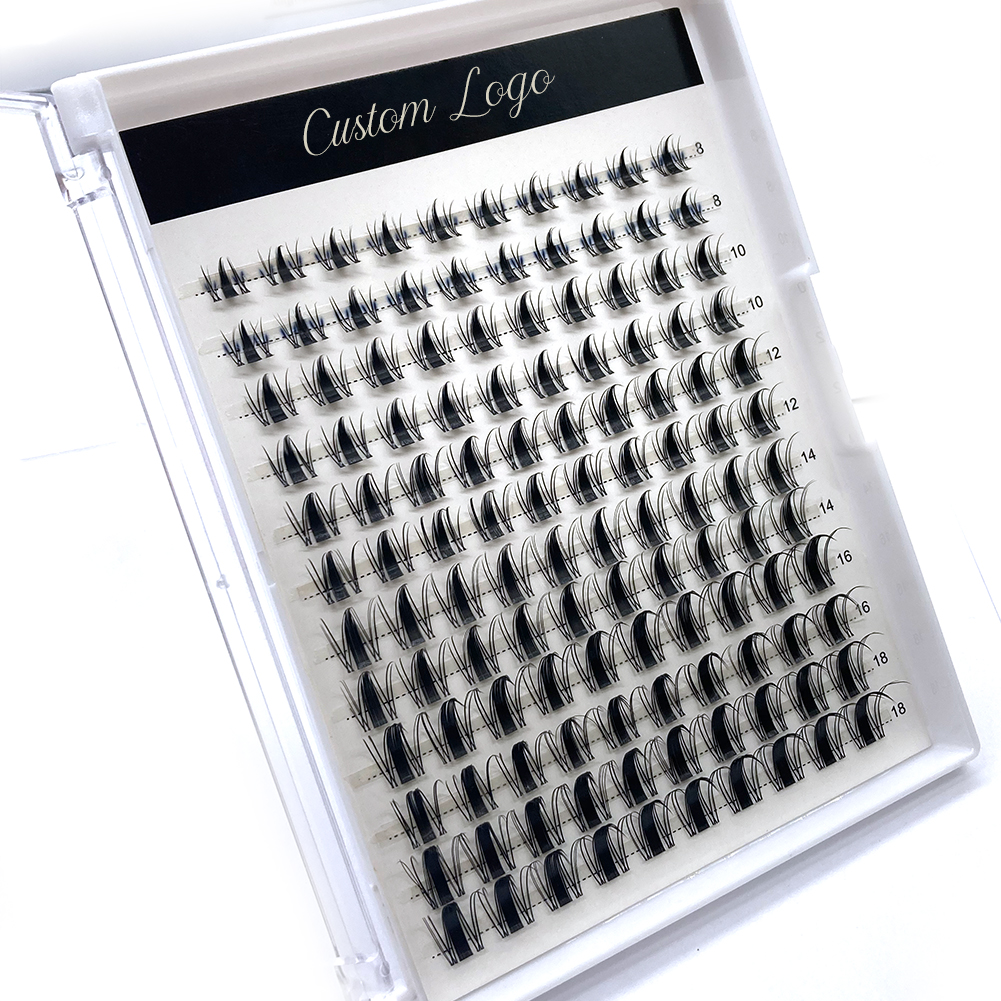
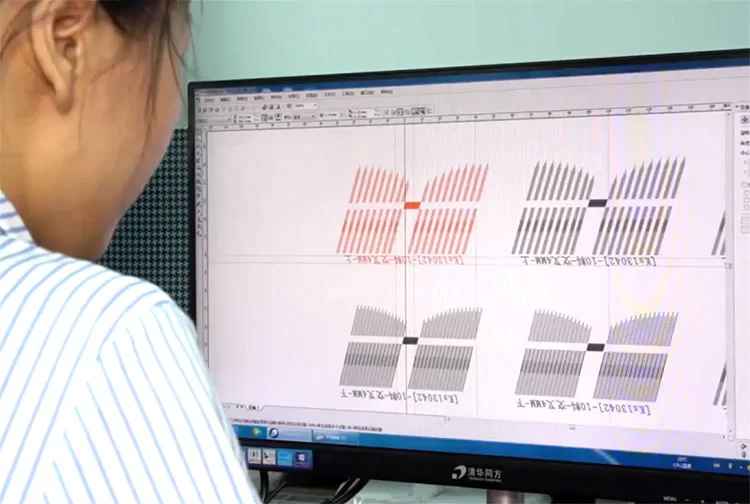
One of the most common problems is issues with bottom cards. For example, we may place an order with a printing factory for bottom cards with a specified size of 97mm × 138mm. But when we receive them, we find the size is incorrect. In that case, we have to remake the cards, which causes delays. Sometimes clients also have special color requirements, but the printing result doesn’t match, so the cards need to be redone. There are also cases where the cards are delivered but later misplaced during production, meaning we have to reorder them again.
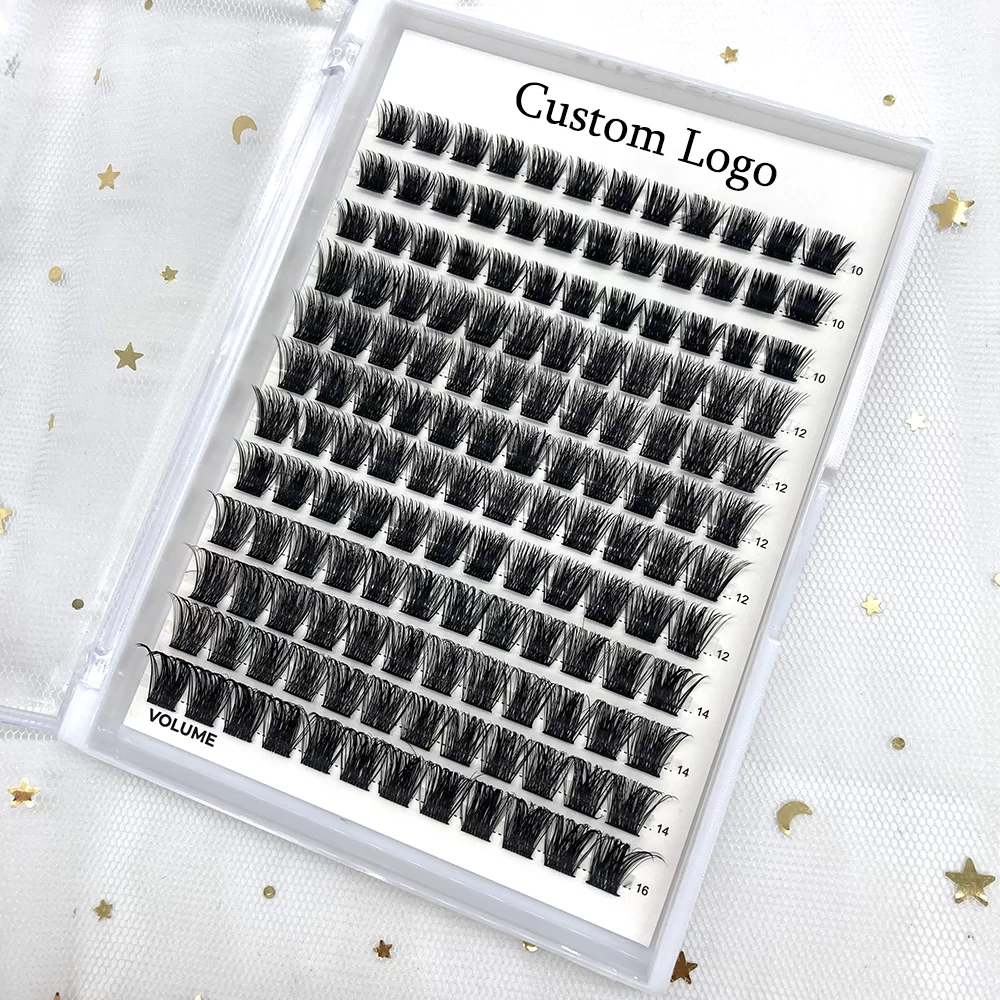
Another issue is incorrect card assignment. For instance, one of Emily’s US clients named different lash styles for different cards—T50 was labeled “Volume,” and FD09 was labeled “Classic.” But during production, workers didn’t pay attention to the different labels, and FD09 was placed on the “Volume” card, which required rework. In another case, a client’s bottom cards were misdelivered by the courier to Qinghai Province, and we only realized the mistake later, which meant extra shipping time. We’ve also received bottom cards sent to the wrong lash factory due to printing factory address errors, which again caused delays.
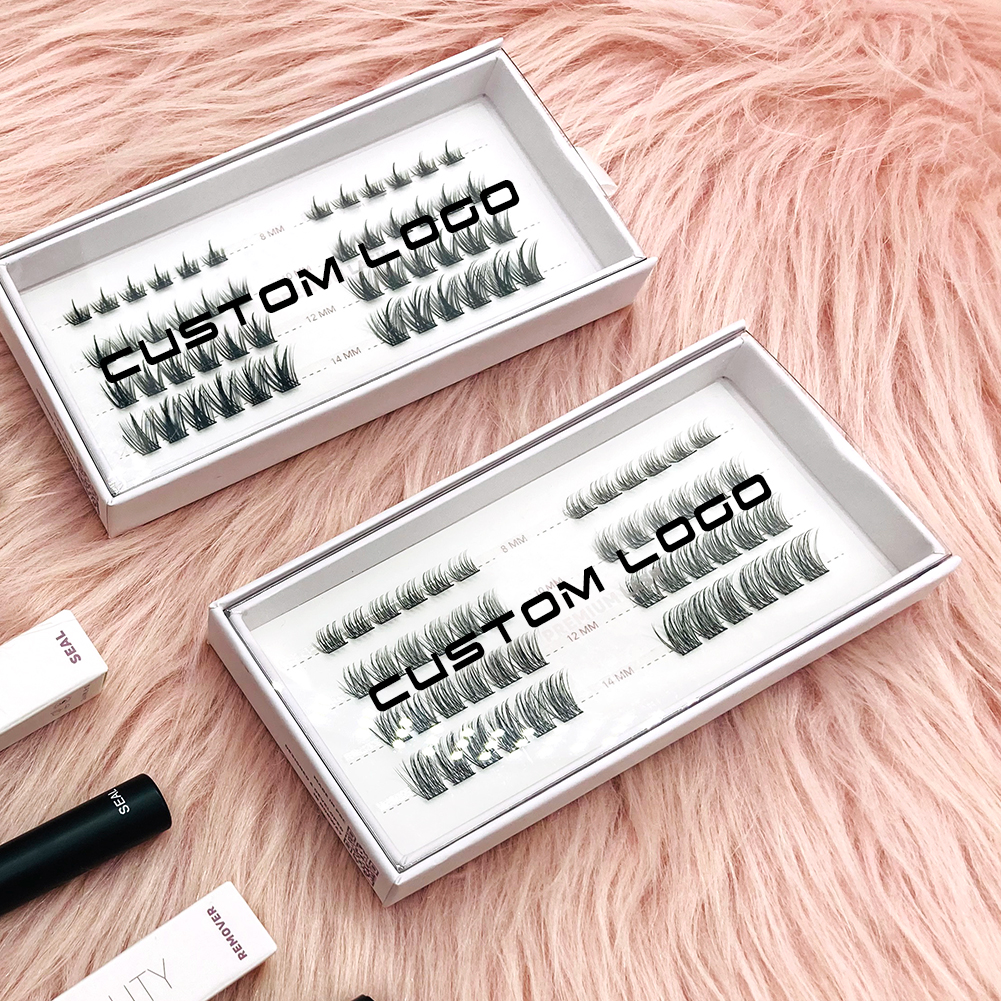
We also sometimes face issues with bond and seal printing. For example, when printing client logos, the result may come out blurry and needs to be cleaned and reprinted. Or the wrong version may be used—for instance, printing a 10–14 day bond & seal design onto a 5–7 day one. These mistakes require full reprinting and slow down production.
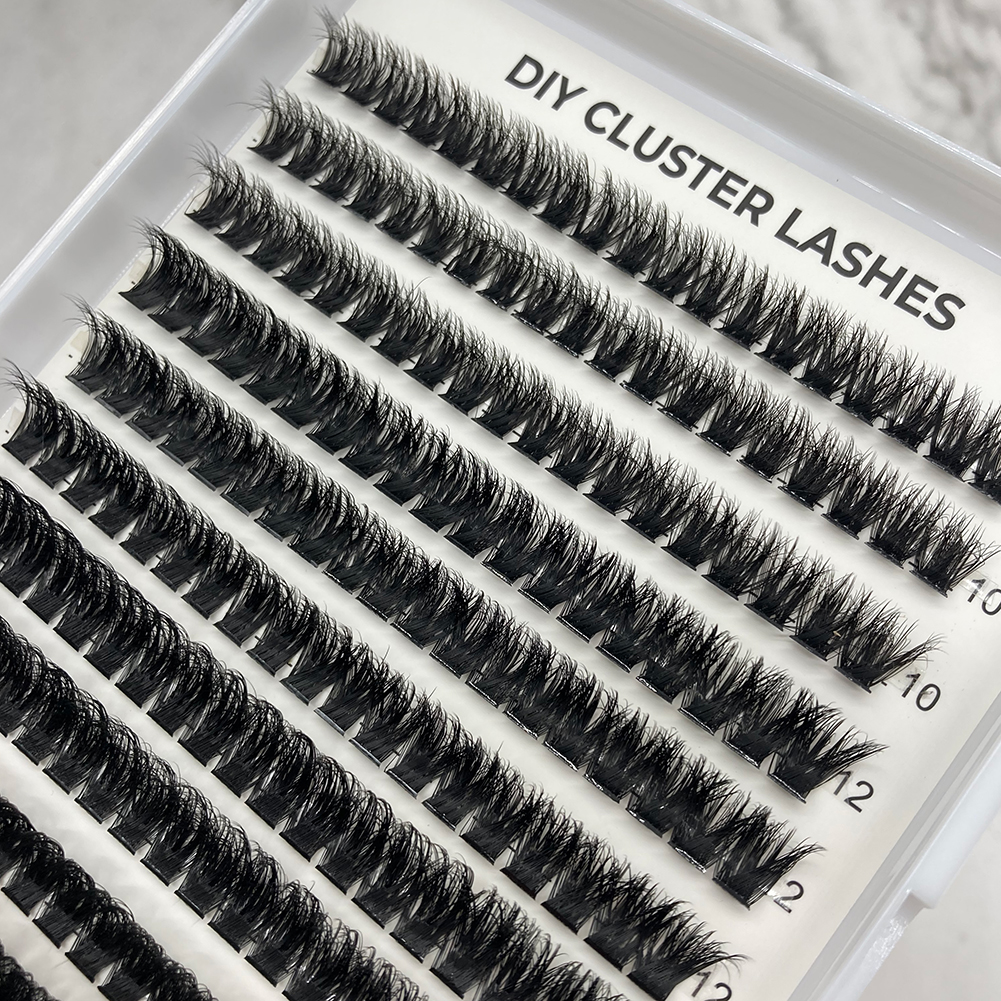
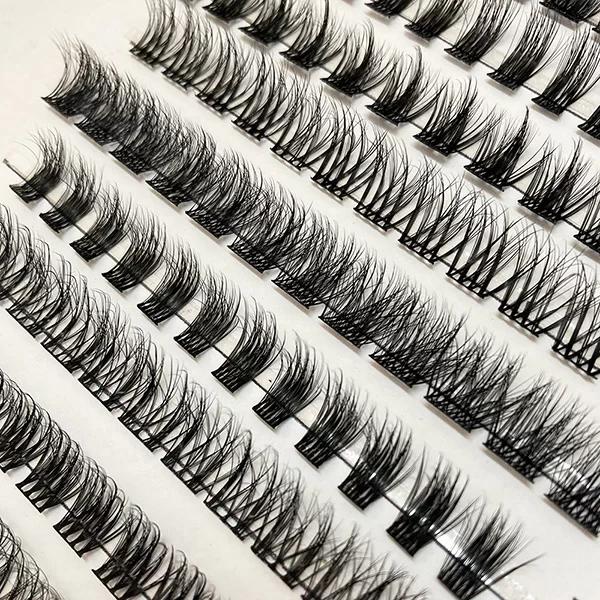
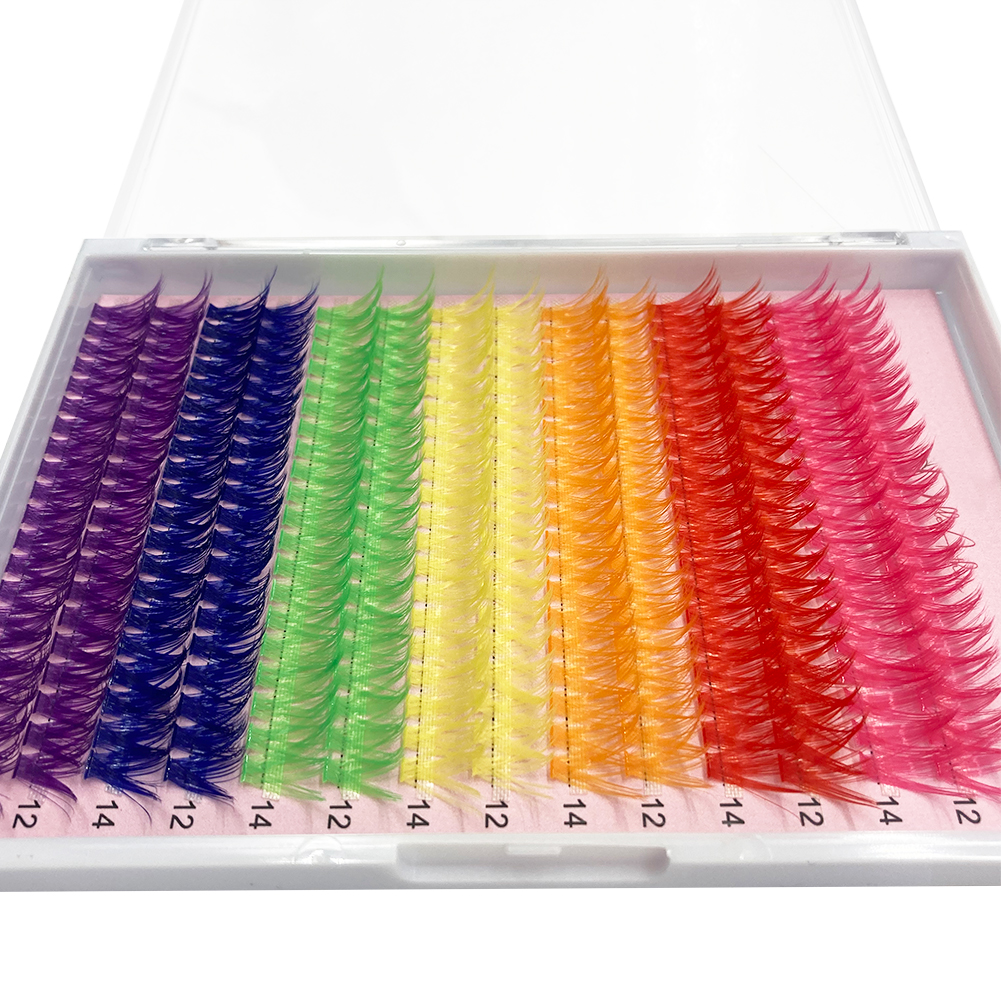
Lash curl and style errors are another factor. If a client orders D curl but the production team mistakenly produces CC curl, the lashes must be remade. In some cases, fluffy segmented styles are mistakenly made into flat classic styles, which also requires full rework and causes delays.
Material shortages can also significantly affect lead time. For example, one US client ordered FD25 lashes, but during production we discovered that the raw fiber was insufficient. When we tried to reorder, the supplier also ran out of stock, which extended the delivery time much further than expected.
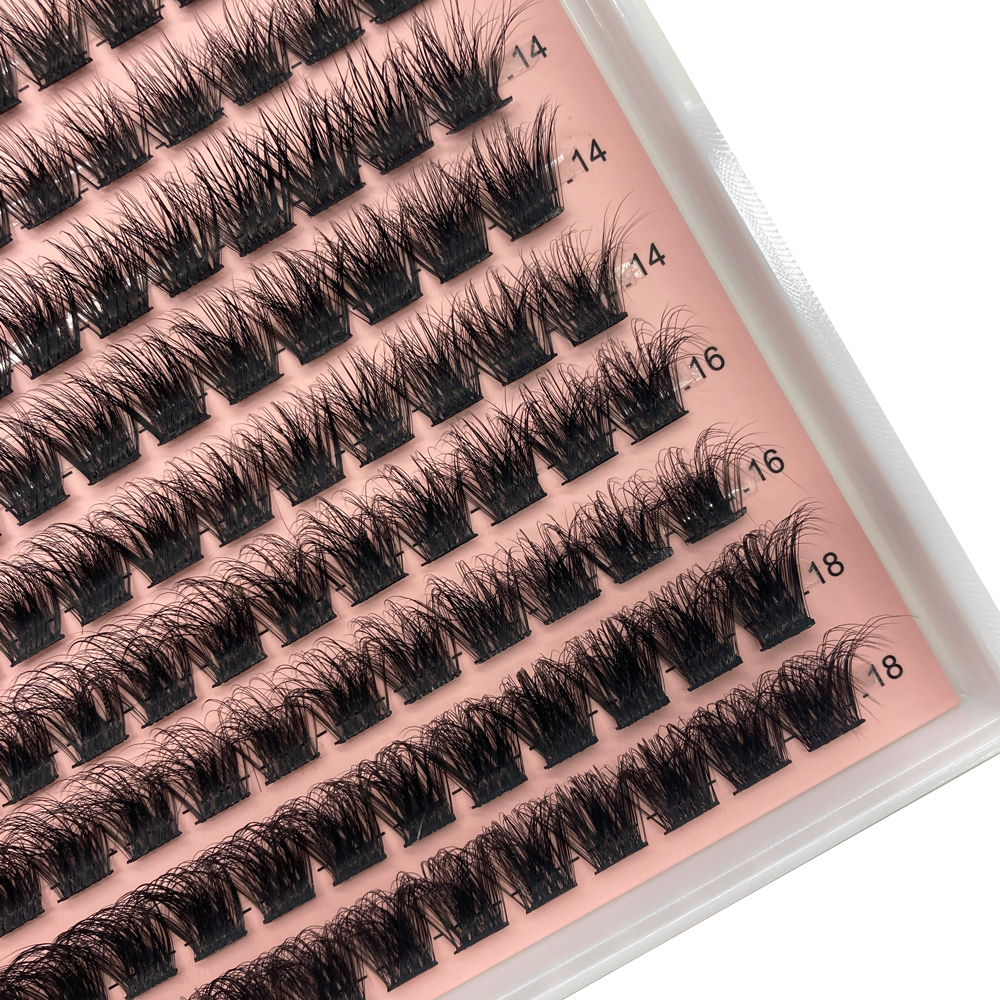
We’ve also seen simple but serious human errors. For instance, one US order required lengths from 8mm to 16mm, but during production, 8mm lashes were mistakenly made longer than 10mm ones. These kinds of mistakes are hard to imagine, but they do happen when workers are not careful, and the entire batch must be redone.
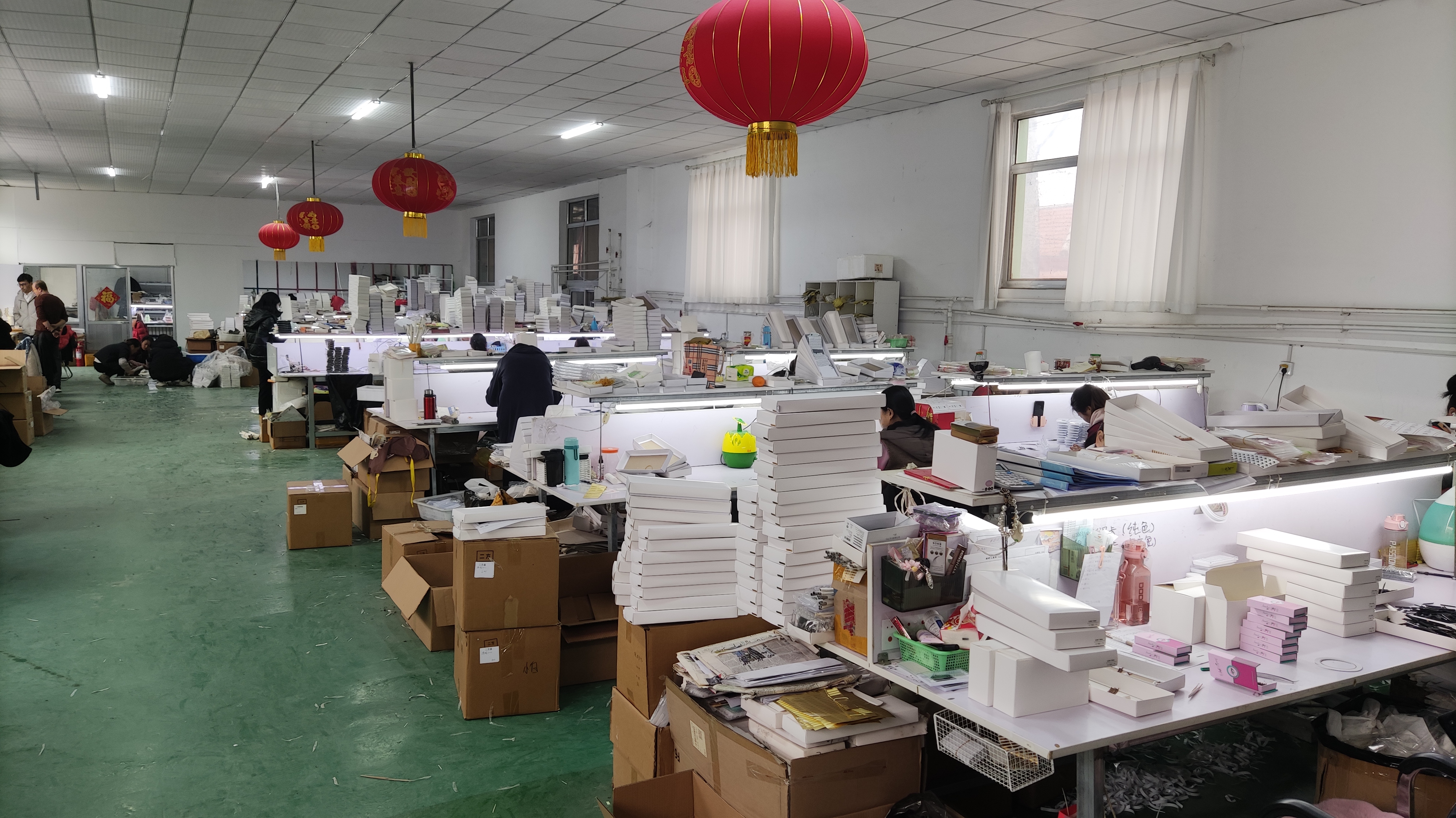
Customer manager Alisa once experienced an issue with tweezers where the factory sprayed the wrong color and could not be reached during the pre–Chinese New Year rush. Since the factory was overloaded and unwilling to take responsibility, we had to switch suppliers and remake the tweezers, which delayed the shipment. Orders placed near holidays are especially prone to delays, as factories are rushing production before closing.
Packaging issues are also common. For example, lash glue boxes may be designed too small to fit the product, or too tight so that inserting the product scratches or damages the printed logo. Alisa also had a case where the packaging color did not match the sample. This is because samples are usually digitally printed for cost reasons, while mass production uses printing machines. When clients request specific Pantone colors, differences between digital samples and mass production are very common, and rework may be required.
Finally, logistics issues can delay delivery to customers. Customs inspections happen several times a year and can delay shipments by days. Some orders also require customer cooperation for customs clearance, but delays happen if clients refuse to pay duties. In South America, customers sometimes lack import clearance capability altogether. In Egypt, Greece, and Turkey, high tariffs have led to abandoned shipments.
We’ve also seen cases like an Italian shipment being rejected because the packaging did not include Italian language labeling. A few years ago, a German client named Mike had several DHL packages shipped separately, but two of them were lost in transit. In another case, a Canadian shipment routed through the US was lost for unclear reasons.
There are also situations where couriers cannot reach the customer, and packages are sent to unmanned warehouses. When customers later try to locate them, additional time is needed to retrieve the parcels, and in some cases, the goods may even be lost.