

I run a lash factory, and like everyone else in this business, I carried one assumption around for years: eyelash extensions is the biggest search category in false lashes. It has been that way as long as any of us can remember.
Last week I checked the data and the assumption fell apart.
I opened Google Keyword Planner and pulled September 2026 search data. To avoid missing keywords just because of my own search habits, I only typed in four broad seed words: lashes, eyelashes, lash, eyelash. Nothing fancy. I let the tool suggest everything else.
Here is what came back. Cluster lashes: 165,000 average monthly searches. Eyelash clusters: 165,000. Eyelash extensions: 135,000, and down 18% year over year.

Cluster lashes beat eyelash extensions. Twice, because both spellings of the term did.
I stared at that table for a while. In my head, extensions was always the top category. The data says otherwise now.
It also confirms something Manager Ge, who runs the eyelash extensions factory next door to us, said not long ago: "Eyelash extensions are getting harder and harder." At the time it sounded like one man's complaint. Now I think he saw this shift coming before the rest of us did.
One month of Keyword Planner data can be a fluke, so I went to Google Trends and tracked four terms over the past five years, US market: lash clusters, eyelash clusters, cluster lashes, and eyelash extensions.
The lines tell a clean story. Eyelash extensions (the green line) has been drifting down since 2022, from near the top of the chart to a fraction of that. Lash clusters (the blue line) has climbed the whole way, from almost nothing.
The two lines crossed in August 2025, when both sat at 29. From there to July 2026 they traded places back and forth. Then in the second half of 2026 the gap opened wide: lash clusters pulled up to 39 in July while extensions slid to 30, and after that they went in opposite directions.
The two products serve different crowds, and the crowd sizes are not close.
Lash clusters are bought and worn by regular people at home. Eyelash extensions are a service: the people searching that term are mostly lash artists and salon shoppers. There are thousands of consumers for every lash artist. Once clusters became good enough and easy enough to wear at home, the consumer search volume had nowhere to go but up.
My answer is no, and I want to be fair to both sides here.
Clusters do replace extensions for a lot of people. But they have real weaknesses. First, application skill: most people wear clusters themselves, and results vary wildly from person to person. A good lash artist with tweezers and extension glue will out-apply most of us every time. Second, hold time. lash clusters last about 7 to 14 days, and honestly, plenty of brands' bond and seal gives out after 1 to 5 days. Extensions last 3 to 4 weeks. On hold time alone, clusters cannot fully replace extensions.
That said, something interesting is happening on the salon side. Lash salons have started offering cluster application as a service. If a salon used proper extension glue instead of bond and seal, I would expect a set of clusters to hold 3 weeks or more. I have not tested this. It is a theory, and I am saying so plainly. But if it holds up, the line between the two products gets even blurrier.

While I was in Trends I also checked mink lashes and faux mink lashes. Both lines sit flat near the bottom of the chart and have for years. Five-year average search interest: mink lashes 5, faux mink 1, against 51 for eyelash extensions and 17 for lash clusters. The fur-lash market is fading, and nobody in the factory will be surprised by that.
While I was in the Keyword Planner results, one row jumped out that had nothing to do with clusters. Wispies: 110,000 average monthly searches, up 1,011% over both three months and the year, and still tagged low competition. That number genuinely shocked me.
Here is the part I keep turning over. "Wispies" is not a category. It is a lash style made famous by Ardell, the Los Angeles brand founded back in 1971. Demi Wispies has sat in every makeup artist's kit for decades. It is about as far from a new product as this industry gets. And yet in 2026 it is growing tenfold in a single year.
A style name from a 55-year-old brand has become a term that consumers type in on their own, at this scale, at this speed. People are no longer searching "natural strip lashes". They are searching the name they saw on social media. That is what brand power looks like when it compounds.
We make lash clusters, so this trend is good news for us. But the numbers changed how I think about the next two years. Extensions is not disappearing; it still serves the salon market well. The growth, though, is on the cluster side, and it is being driven by people doing their own lashes at home.
For us that means better base cards, better bond and seal, and longer hold times. The brand that solves the 7-day wear problem wins a lot of the consumers currently booking salon appointments. That is the problem we are working on.

Since 2022, one of our wholesale partners has ordered 10,000 sets of lash clusters from us every cycle. In September they called with a complaint about the latest batch. This post is about what happened next: what went wrong on our side, how we traced it, and what we owed them.

The problem was specific. End users were peeling the clusters off the base card and finding leftover adhesive stuck to the lash band. Their customers noticed, bad reviews followed, and the partner's brand took the hit. That email was hard to read. If a cluster won't come off the card cleanly, the product has failed at the most basic level.
We opened a full trace on the batch the day the complaint arrived. Within days we had the answer: part of the shipment had been stored somewhere too warm. The heat softened the adhesive strip on the base cards, so when clusters were peeled off later, residue came away with them.
As a lash clusters manufacturer, storage conditions are something we're supposed to control. This time we didn't, and that's on us.
The affected boxes looked exactly like the good ones. No discoloration, no warped packaging, nothing you could spot on a shelf. Sorting them by eye was impossible.
Our partner paused sales on the whole batch, and they were right to. We were not going to ask them to sell inventory they couldn't vouch for.
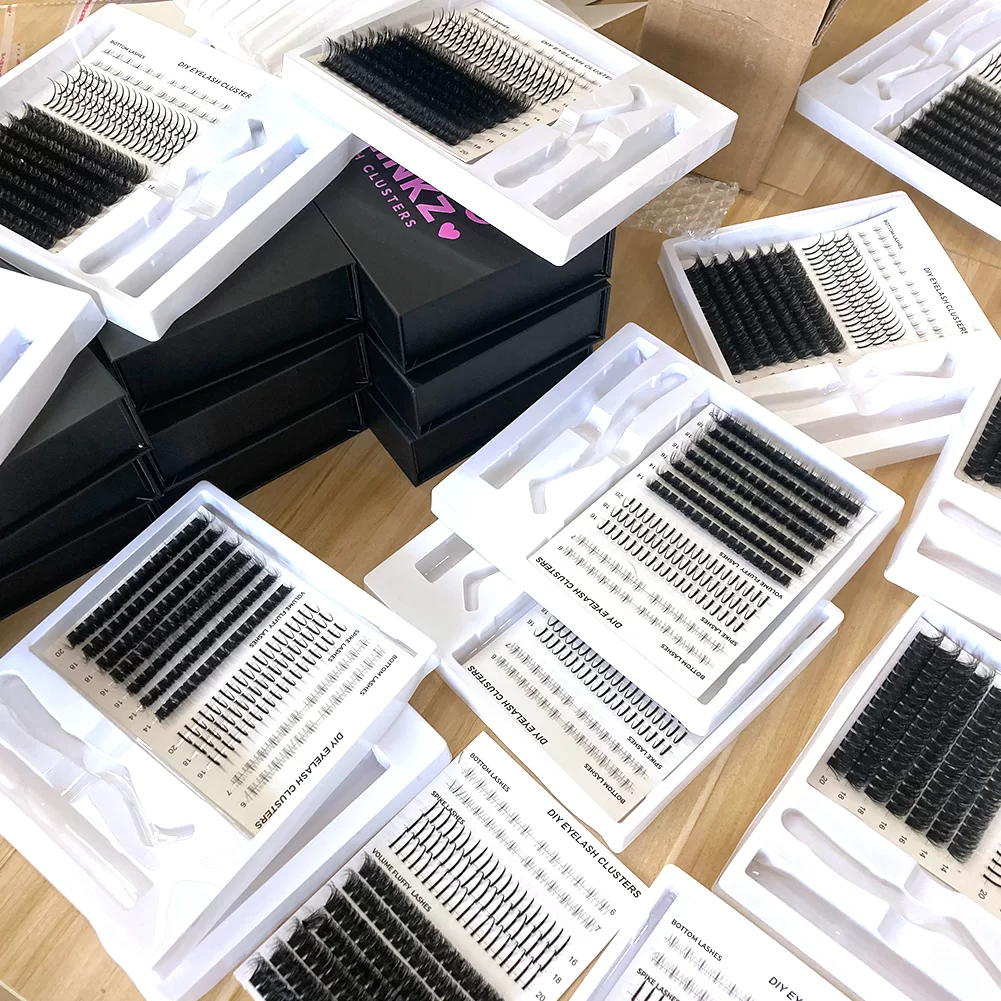
Our boss took the complaint personally and told us to make it right. We sat down with the partner and built the solution around what they asked for, because they knew their business better than we did.
Their request: add 4,000 free boxes to each of their next five orders. That comes to 20,000 boxes in total, delivered inside shipments they were placing anyway. No refund tug-of-war, no returned goods filling their warehouse. They get sellable stock at the moment they need it, and their cash flow stays untouched.
They were satisfied. They also kept ordering, which to us says more than the word "satisfied" ever could.
A quality problem is bad. A quality problem answered slowly and defensively is worse. So when something like this happens, we tell the partner exactly what broke and why, because vague reassurances help nobody. We move fast, because their business sits still while we investigate. And when it's time to compensate, we'd rather send product they can sell than paperwork they have to file.
The incident pushed several fixes through. Storage zones in our warehouse now have stricter temperature limits and proper logging. Our outbound lash clusters quality control includes a heat-exposure check on the base cards. Batch records got better too, so if anything slips again, we can isolate it in hours instead of days.
If you buy wholesale lash clusters from us, that's the deal: straight answers when something goes wrong, and a lash clusters supplier that pays for its own mistakes.
Thinking about launching or growing a lash brand? Talk to our wholesale team about private label lash clusters, MOQs, and how our quality guarantee works in practice. We're happy to walk you through it.

Lash clusters make it easier to shape a lash look than a single strip does. Add a few to the outer corners for a little extra definition, or mix lengths across the lash line for a more noticeable effect. The catch is that trays can look similar online while differing in length, curl, band, and what comes in the box.
If you’re shopping for yourself, those details affect whether the set suits the look you want. If you’re buying for a salon or beauty brand, they also affect your sample, packaging, and reorder decisions. Here’s what to check before you commit.

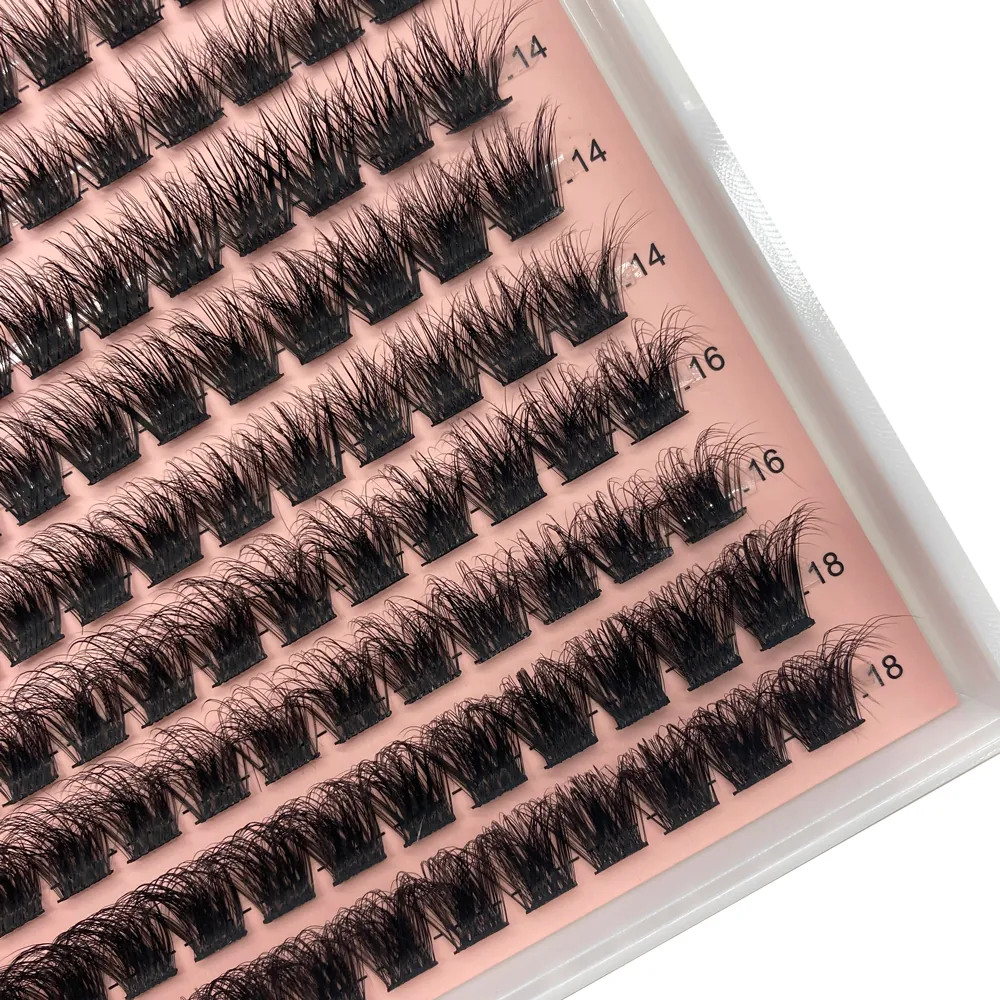
Natural, wispy, fluffy, and dramatic clusters are not interchangeable. A natural set is usually the place to start for a low-key look; wispy styles add visible texture, while fluffier or more dramatic designs make more of a statement. Product photos can help, but zoom in: the fan shape and spacing between clusters may be easier to judge in close-ups than in a styled model image.

Length and curl matter too. LamyLash’s lash-cluster catalog lists PBT-fiber options in lengths from 8 mm to 20 mm, with C, CC, and D curls. That’s the range shown across the catalog, not a promise that every style comes in every combination. Check the individual listing to see what is actually in the tray.
A large piece count can sound like a bargain, but it doesn’t tell you whether the tray has the lengths you’ll use or whether application products are included. Before ordering, check:

For a first purchase, a smaller order can be a sensible way to see whether the style and application system work for you. Follow the instructions supplied with the product, especially for adhesive use and removal.
For wholesale buyers, the lash itself is only part of the decision. You’ll also want to know whether the supplier can reproduce the same style, prepare the packaging you need, and meet your order schedule.
LamyLash advertises wholesale, private-label, and custom-packaging services. Its website also states a 7–14 day production lead time. Those are supplier-published claims, so ask for current terms in writing for your exact product and order; don’t treat a general website statement as a delivery commitment.
When requesting a quote, send the supplier a clear brief:
Then compare the full cost, not just the per-unit quote. Ask whether the price includes custom packaging or setup, and check freight, import charges, production time, sample costs, and the supplier’s policy for defects or replacements. Minimum order quantities can vary by product and packaging, so confirm the MOQ for the exact configuration you want.
A sample is worth considering before a larger run. It gives you a chance to review the lash shape and finish, check the packaging, and make sure the delivered product matches the agreed specifications.
| If you want… | Look at… | Check… |
|---|---|---|
| A subtle everyday look | Natural or classic clusters | Shorter lengths, curl, and close-up appearance |
| More texture | Wispy clusters | Fan shape, spacing, and mixed lengths |
| A bolder result | Fluffy or dramatic clusters | Density and the length range in the tray |
| More styling options at home | A mixed-length tray or kit | Exact tray contents and whether accessories are included |
| A product to sell under your brand | Wholesale or private-label clusters | MOQ, sample, packaging proof, full landed cost, and reorder terms |
There isn’t one “best” lash cluster for everyone. The right pick is the one that matches the look you want—or, for a business, the customer you’re buying for—and clearly states what you’ll receive.
For personal use: Choose the look first, check the exact lengths and curl, and read the package contents before comparing prices. If you haven’t used that style or adhesive system before, consider starting with a small order.
For wholesale: Request a quote against a written specification. Confirm the MOQ, sample process, packaging costs, production timing, shipping terms, and how defects are handled. Keep the approved product and packaging details for future reorders.
LamyLash lists these related categories on its site. Product configurations and current order terms should be confirmed on the relevant listing or directly with the supplier.
What are lash clusters?
They’re small sections of lashes that can be placed individually to create a look with more control over placement than a single strip. Application details depend on the product and adhesive system.
What lengths and curls does LamyLash offer?
Its catalog lists lengths from 8 mm to 20 mm and C, CC, and D curl options. Availability varies by style, so check the specific product page.
Does every kit include bond, remover, and tweezers?
Not necessarily. Check the package contents. LamyLash lists bond and seal, remover, and tweezers as separate categories, alongside kit-style products.
Can I order private-label clusters?
LamyLash advertises private-label and custom packaging. Ask the company for the current MOQ, setup costs, artwork requirements, sample availability, and lead time for your chosen configuration.
How should I compare wholesale quotes?
Make sure the quotes cover the same lash specifications and packaging. Then compare samples, customization, shipping and import costs, production timing, defect terms, and reorder conditions—not only the unit price.
For personal use, pay attention to the actual length mix, curl, tray contents, and delivered cost. For a salon or beauty brand, get a sample and a written quote for the exact product and packaging before placing a larger order. LamyLash’s public catalog is a useful place to review available options, but prices and order terms need to be confirmed directly.
Sources

Once an order is placed, we immediately arrange production for the lashes. Although we're constantly trying to reduce mistakes, unexpected issues can still happen during the process. So what exactly can delay delivery?
Read more: Factory Notes: 002 What Actually Slows Down Lash Production?
Every now and then, someone asks us how to start a private label lash brand. Sometimes it's through our website. Sometimes it's on Reddit or Facebook. Sometimes it's simply an email that says, "I'm thinking about selling lashes. Where do I even start?"
Read more: If I Were Starting a Lash Brand Today, Here's What I'd Do First
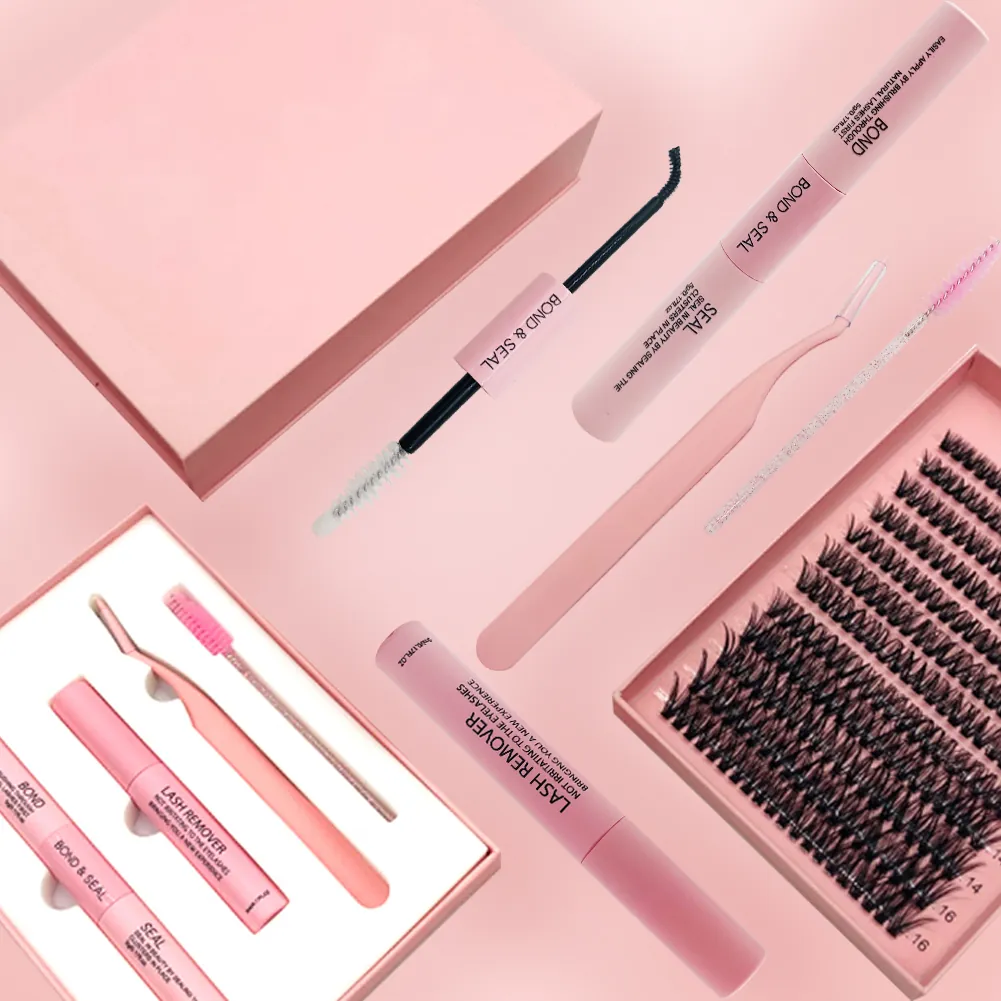
One of the questions we hear almost every day is surprisingly simple: "I want to start a lash brand. Where should I begin?" Sometimes it comes from someone who's been thinking about it for months. Sometimes it's from someone who only decided yesterday. The funny thing is that the answer almost never starts with finding a factory. Most people think it does. We don't.
Read more: Factory Notes #001 The Question We Hear Almost Every Day: "How Do I Start a Lash Brand?"
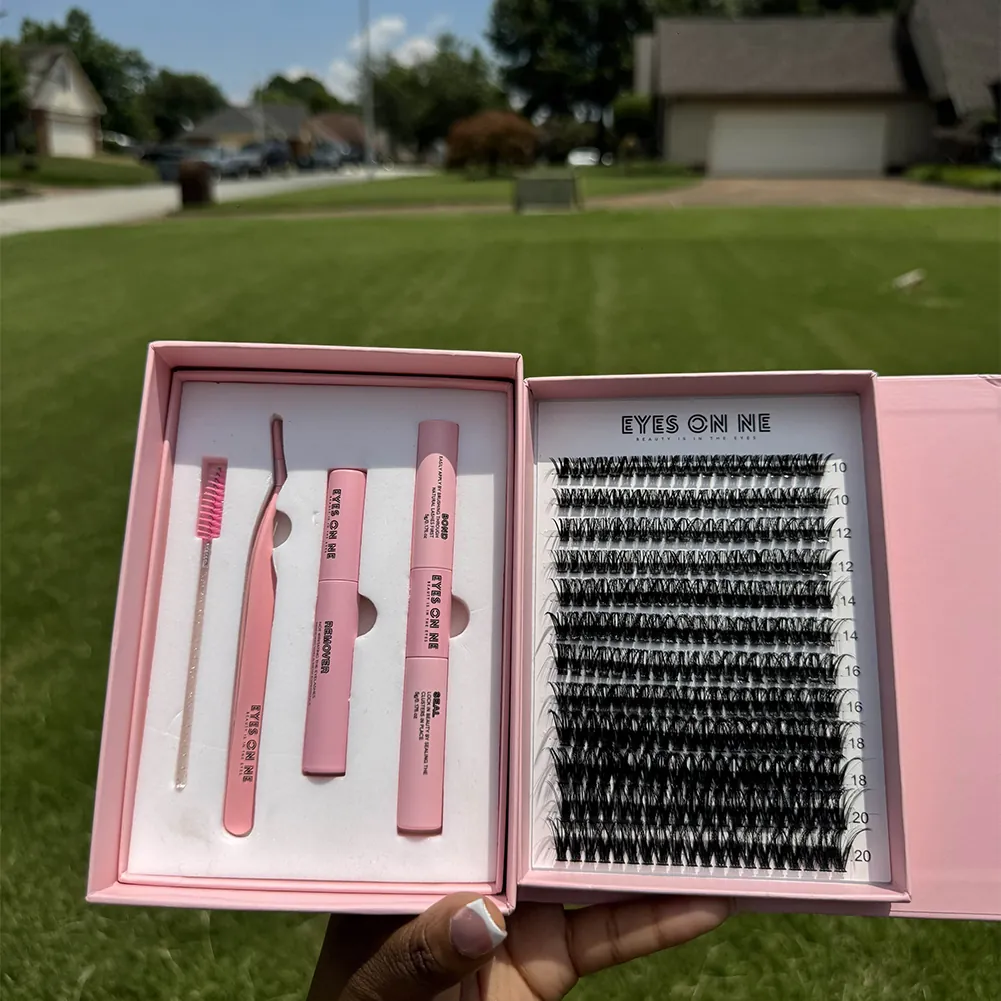
The lash clusters aren't just a trend that'll fizzle out next season. They've been quietly eating into traditional extensions for a while now, and honestly? It makes sense.
Read more: Why Everyone's Suddenly All Over DIY Lash Clusters
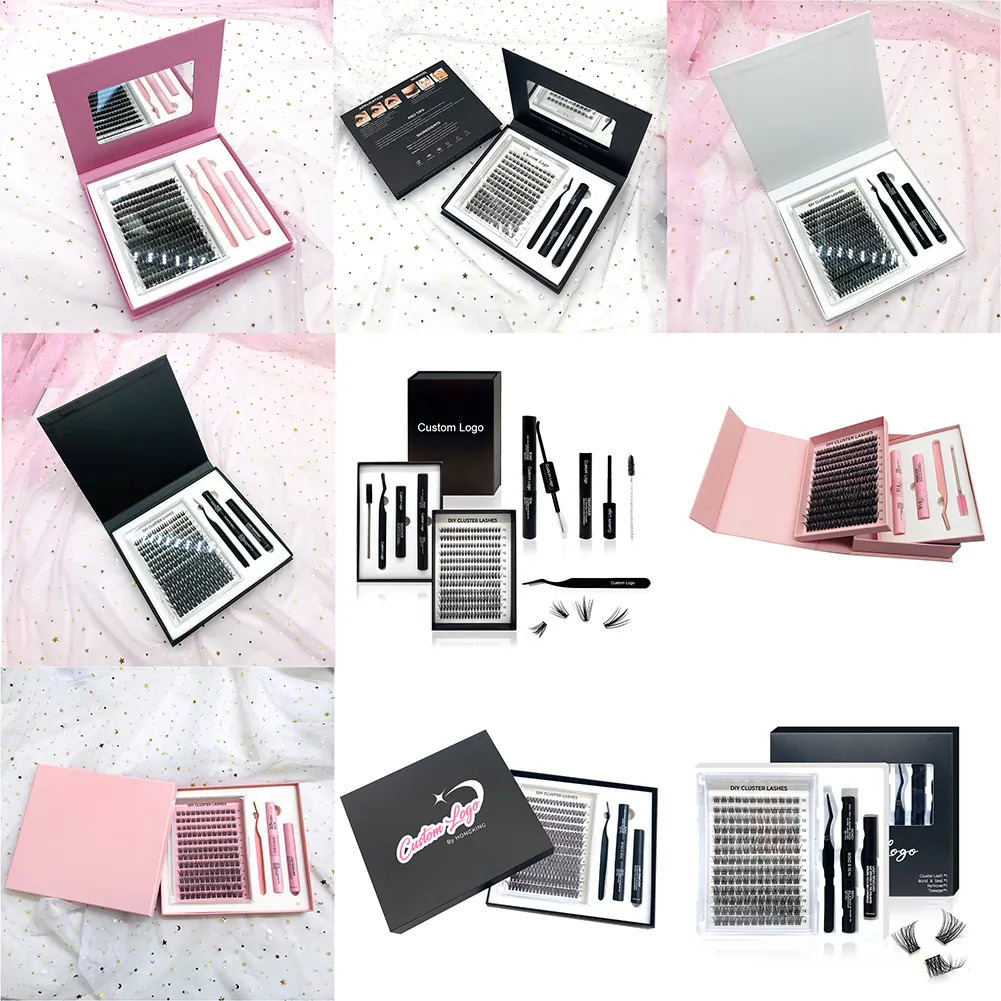
I didn't know cluster lashes came in different "personalities" when I started. I just bought whatever the packaging photo looked like and hoped for the best. Turns out, the type you pick changes everything — how natural it looks, how hard it is to apply, and whether you'll feel comfortable running errands or just taking selfies in your bedroom.
There are different diy lash clusters on the market. Such as PBT lash clusters, faux mink lash clusters, synthetic fiber cluster lashes, or silk diy lash extensions. That said, the finish and feel of each type does differ, and those differences are worth understanding — especially if you're building your first diy lash extension kit.
Read more: DIY Lash Clusters Materials & Bands: What Actually Matters
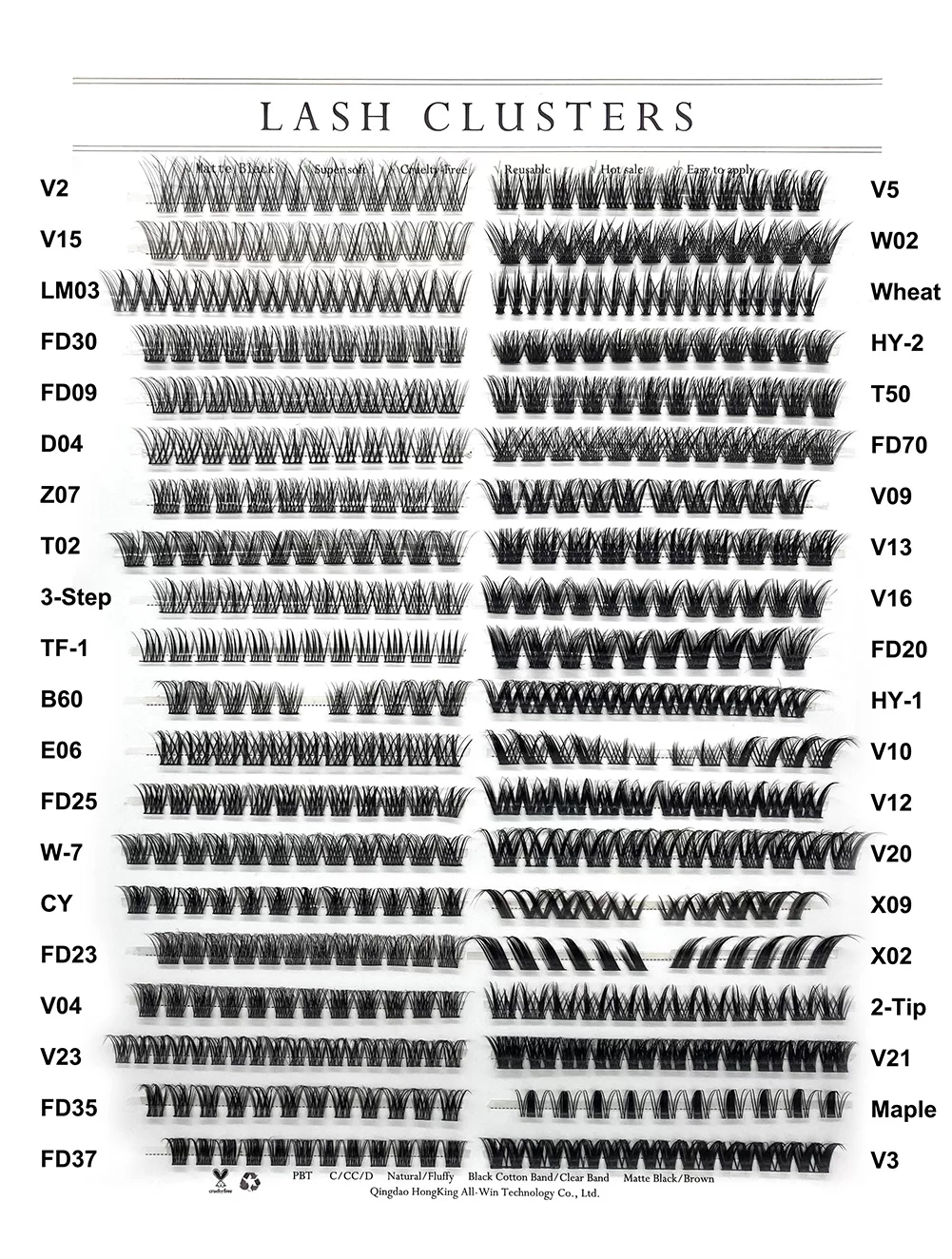
New design lash cluster catalog is available.
Page 1 of 2
Fill in your details and our team will respond within 24 hours with a personalised quote.